

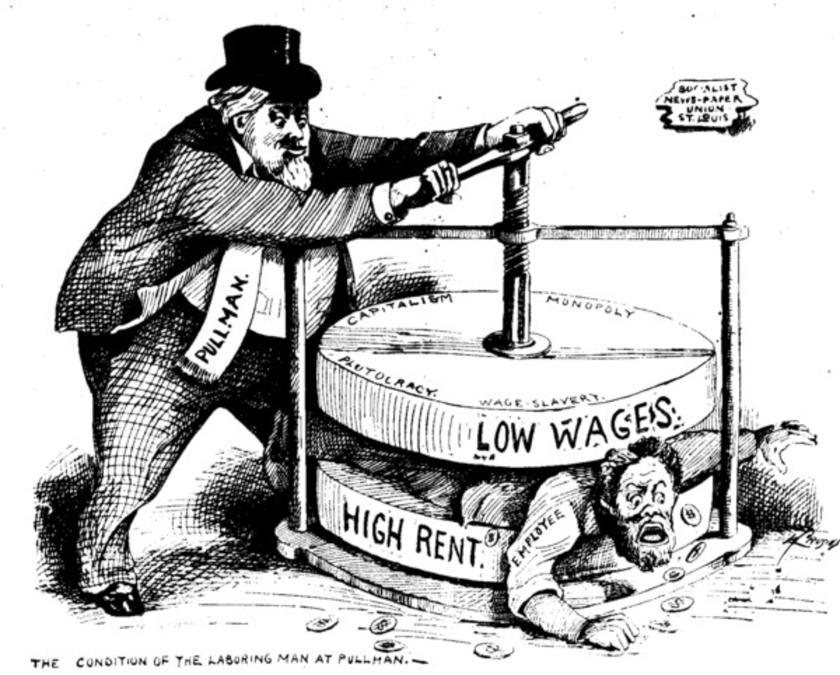
The billionaire class has captured the essentials. They own property, utilities, transport, energy – things we can’t live without – then charge us to use them. We have no choice, so they profit. In Britain, all our monopolies were sold into private ownership. Public transport, water, and energy now prioritise shareholder returns over service. They fail at their primary purpose but succeed at extracting revenue.
We’ve surrendered ownership of music, movies, and software to platforms. Who owns a music collection now? We’re locked into social media choked with ads and clickbait. We shop online through multinationals that extract 30% fees and ban price competition. High streets are dying. The people staffing these businesses face harsh, precarious conditions. We traded convenience for control. These companies privatise profit and nationalise loss. Platforms degrade themselves in pursuit of growth, prioritising advertising over users.Private companies have historically driven infrastructure investment when governments focused on short-term election cycles.
Visionary industrialists pursue long-term visions. Governments are risk-averse and slow. The private sector promotes efficiency, eliminates waste, improves customer service, and drives innovation. Their products – often “free” – have had transformational effects on millions of users. These arguments merit consideration. In the most superficial sense, they’re hard to argue with. The “efficiency” argument ignores who pays the hidden costs. These businesses need a healthy, educated workforce that can afford housing, transport, and basic consumption. That requires schools, hospitals, roads, and public transport funded by everyone. There is no such thing as a free market.
A third of people claiming Universal Credit are in work – we’re subsidising employers. A third of NHS clinical staff come from overseas because we won’t invest in training. We drain talent trained at other countries’ expense while fuelling housing scarcity that creates the tensions billionaire-owned media then exploits.
The real divide isn’t between workers with different flags or skin colours. It’s between those who own the economy and everyone else who works in it. Buying property with variable-rate mortgages is just another form of extraction. Anyone working for a living is selling their labour for value. That makes us all part of the proletariat – whether we like the word or not. This battle may never be won, but there are victories along the way. Sometimes we can do it ourselves. Sometimes we can find independence. And there is community to be built.
Image: “The Condition of Laboring Man at Pullman” (1894)
Source: Wikimedia Commons, Public Domain